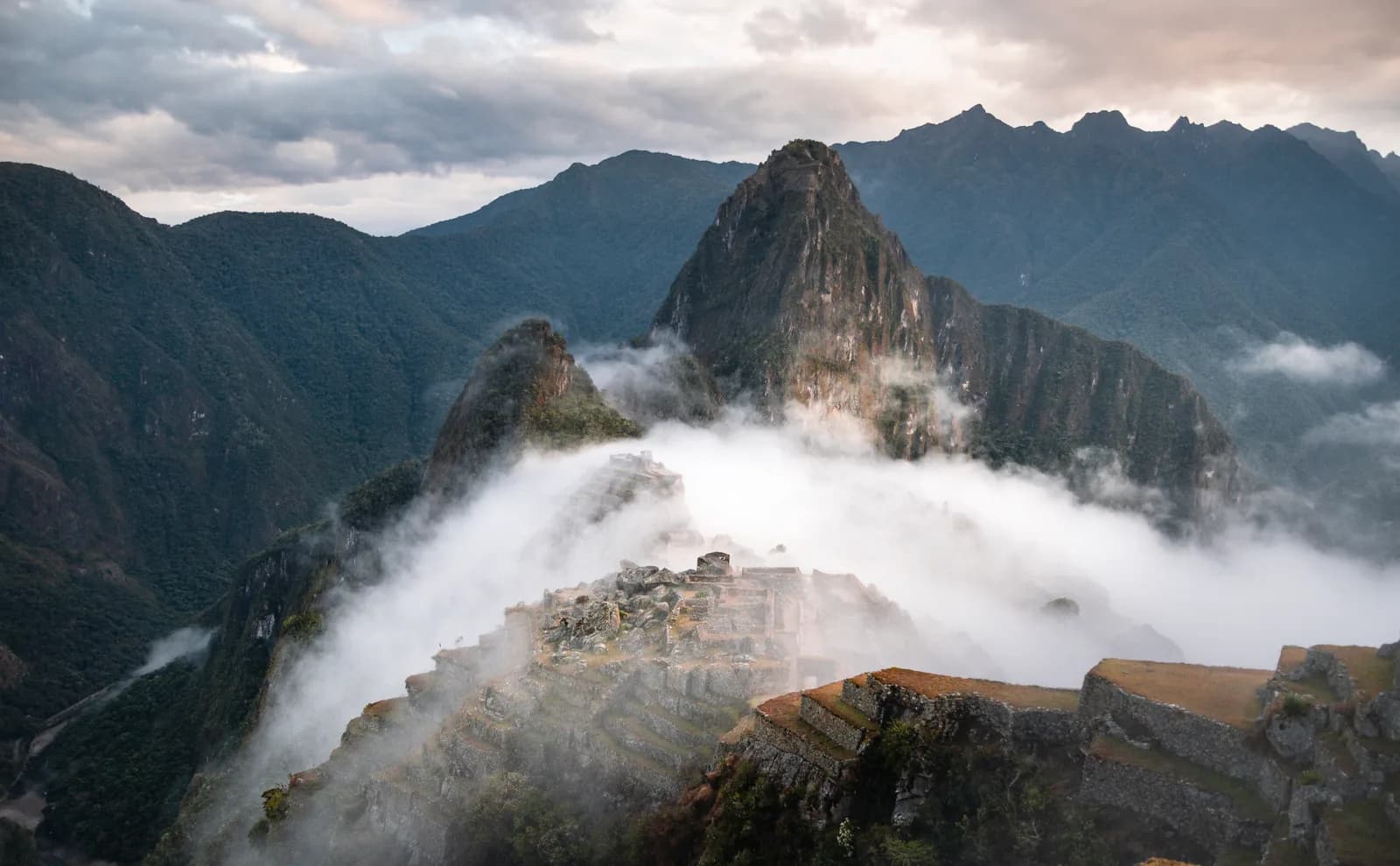
Waqrapukara: the "Inca Throne" Few Tourists Know

Waqrapukara: the "Inca Throne" Few Tourists Know
Waqrapukara (meaning "horn-shaped fortress" in Quechua) is an archaeological complex built atop a cliff with two rock formations resembling horns — hence the name. It's about 3-4 hours from Cusco and receives a fraction of the visitors Machu Picchu or Rainbow Mountain get.
What can you see there?
- Ceremonial structures and carved stone walls in classic Inca style.
- Views of the Apurímac River canyon, with rock walls hundreds of meters high.
- Agricultural terraces and remains believed to have been a regional ceremonial or administrative center.
How it's visited
It's done as a full-day excursion from Cusco:
- Vehicle transfer (approx. 2.5-3 hours) to the trailhead.
- 2-3 hour hike in (moderate to demanding, with uphill stretches).
- Time at the archaeological site.
- Hike and vehicle back to Cusco (long day, early departure).
The real difficulty
It's a moderately difficult hike: not technical, but with sustained uphill stretches above 3,800 m. Requires good fitness and prior acclimatization in Cusco.
Why it gets so few visitors
Unlike Machu Picchu or Rainbow Mountain, Waqrapukara doesn't have the same tourist infrastructure or international promotion — which in practice means walking the site with almost no other tourists around, something increasingly hard to find in the region.
Best season
May to September (dry season), like most trekking excursions in the Cusco highlands — dirt trails get slippery in the rainy season.
Looking for an excursion different from the well-known circuits? Contact us to arrange a visit to Waqrapukara.
What to bring for the hike
- Hiking shoes with good grip: there are stretches of loose dirt and rock.
- Layers: cold when leaving Cusco before dawn and strong sun by mid-morning.
- Sunscreen, hat and sunglasses: there's almost no shade on the trail.
- Water (at least 2 liters) and snacks: there are no shops at the site.
- Trekking poles if your knees suffer on descents.
- Cash in soles: some access points charge a small community fee.
Waqrapukara vs other off-the-beaten-path sites
If you're after places with few tourists, Waqrapukara competes with other options in the region. Here's how they compare:
- Waqrapukara: a full day, a moderate hike and a spectacular archaeological site above the canyon. Ideal if you love ruins and solitude.
- Palcoyo: one day, a short hike, rainbow mountains without crowds. Ideal if you want scenery with little effort.
- Choquequirao: four days of hard trekking to a huge Inca citadel. Ideal if you have time and good fitness.
- South Valley: half a day, no hiking, with Tipón, Pikillaqta and the Andahuaylillas church. Ideal for an easy day.
When to fit it into your trip
Because of the altitude and the hike, Waqrapukara works best in the second half of your trip. An order we recommend:
- Easy first days: City Tour and Sacred Valley VIP.
- Machu Picchu, for example with our 2D/1N.
- Once acclimatized, a mountain day: Waqrapukara, Humantay Lake or Rainbow Mountain.
Photography at Waqrapukara
The two horn-shaped rocks look best from the approach trail, before you enter the site: from there you see the full silhouette with the canyon behind. Mid-morning light lights up the walls well, and in the afternoon the canyon fills with deep shadows. With so few visitors, it's one of the rare Inca sites where you can photograph the structures with nobody in the frame.
Frequently asked questions
Is it suitable for beginners?
Requires medium-high fitness due to altitude and elevation gain; not ideal as a first hike without prior acclimatization.
How long does the full excursion take?
It's a full day, with a very early departure from Cusco and return in the late afternoon or evening.
Are there facilities (restrooms, food) at the site?
It's a remote site with no tourist infrastructure; most operators include a picnic-style or box lunch.