Sacred Valley of the Incas Tours from Cusco
Pisac · Ollantaytambo · Chinchero · Maras · Moray
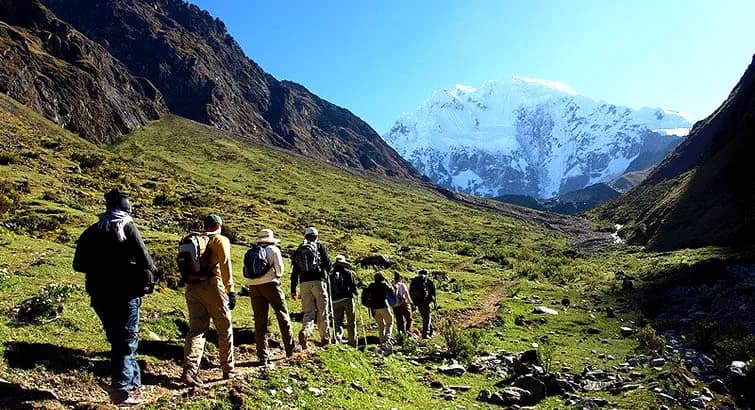
The Sacred Valley of the Incas (Willka Qhichwa in Quechua) is a fertile, 60-kilometer valley carved by the Urubamba River, set between Cusco and Machu Picchu. To the Incas it was the breadbasket of the empire: a temperate climate, volcanic soils and a system of agricultural terraces that made it possible to grow more than 200 varieties of corn and potato. Today it is one of the must-do routes in southern Peru, with living archaeological sites such as Pisac (fortress + market), Ollantaytambo (the only Inca town still inhabited), Chinchero (traditional textiles), the Maras salt pans (3,000 pre-Inca salt pools) and the circular terraces of Moray (an Inca agricultural laboratory). Just 1-2 hours from Cusco, it is the best option for acclimatizing before Machu Picchu and connecting with living Andean culture.
Tours to Sacred Valley
Operated by Danfer Tours · Certified guides · Small groups · Book with confidence.
What to see in the Sacred Valley
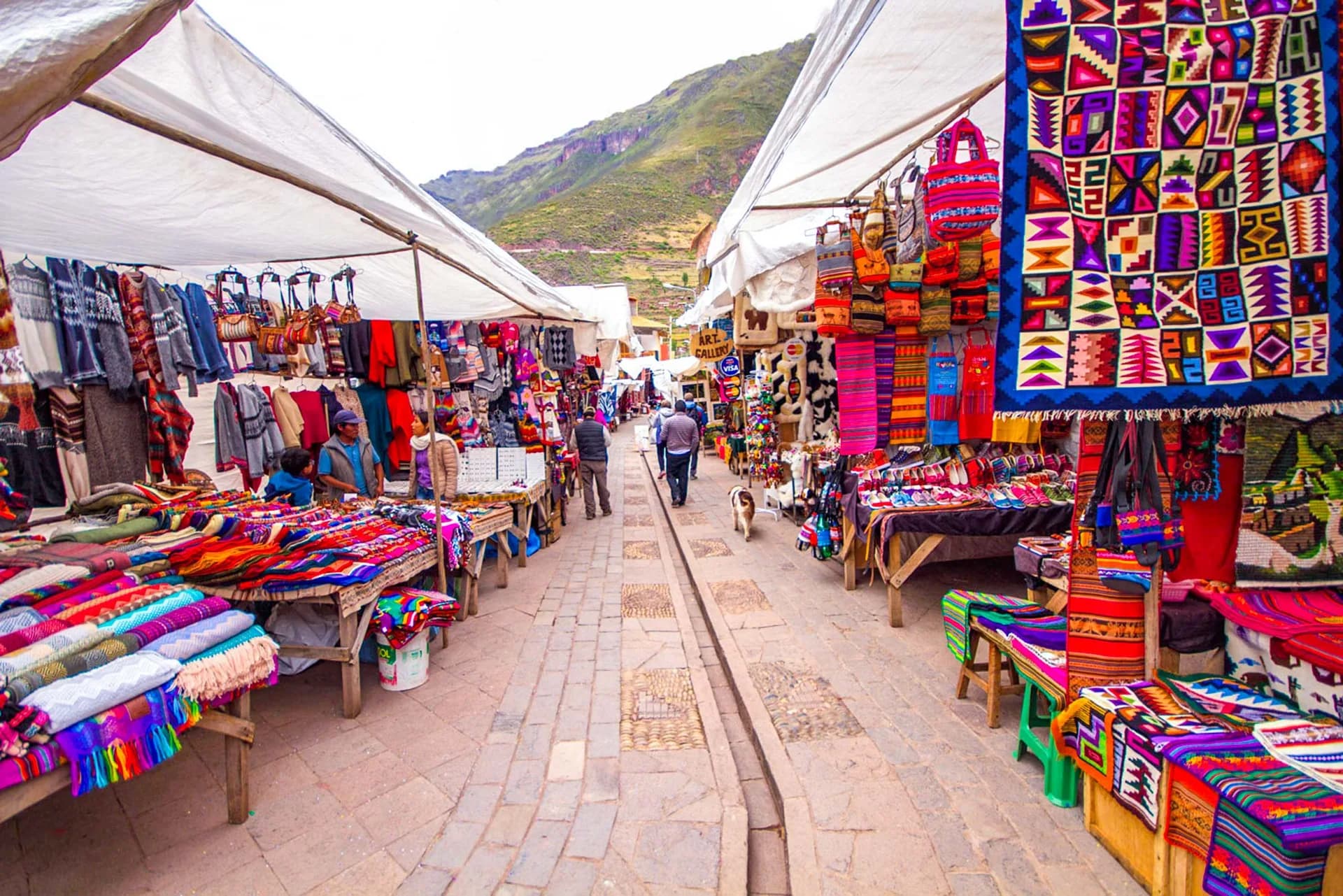
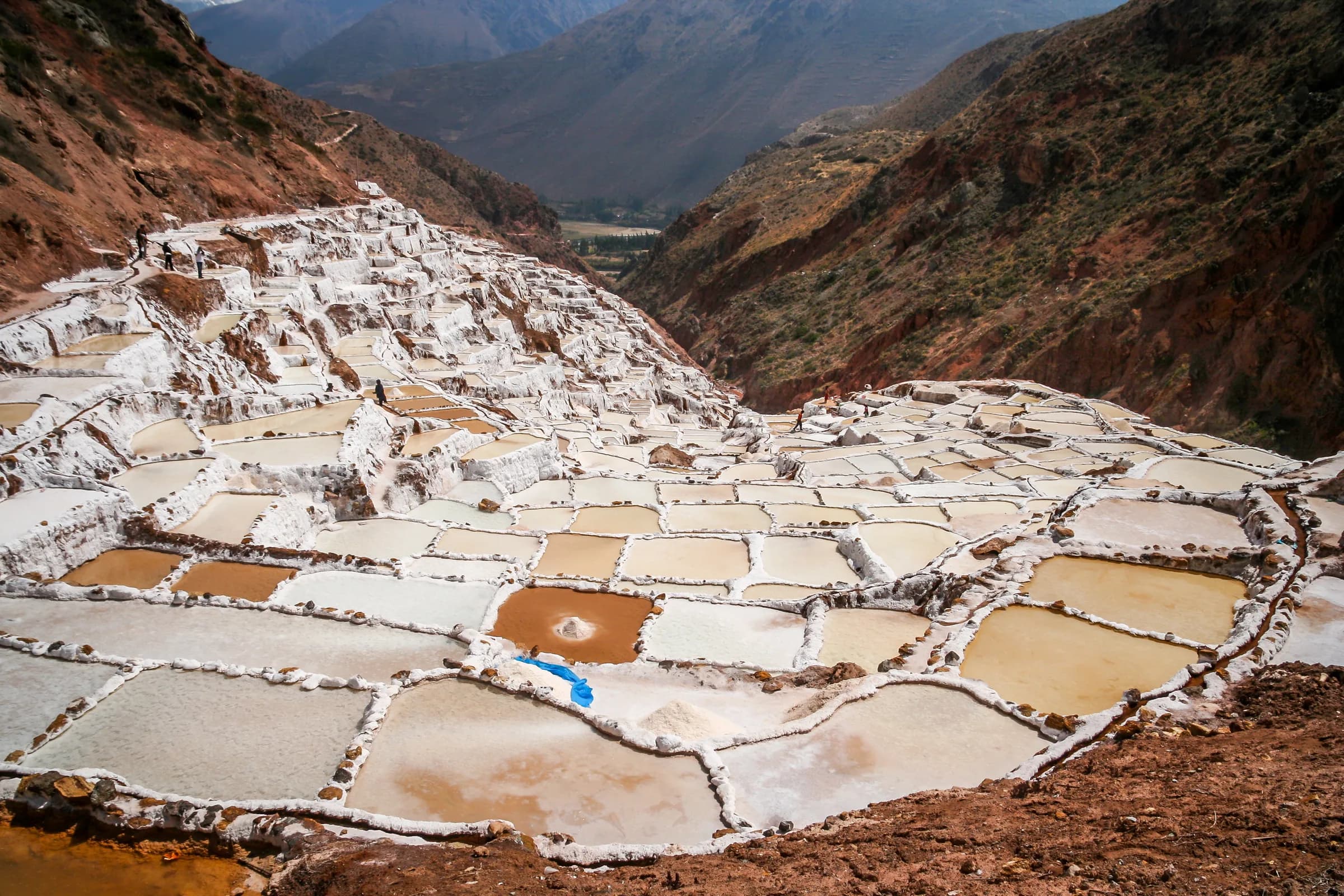
Pisac (3,000 m.a.s.l.) — An Inca fortress with agricultural terraces and a traditional market famous for its textiles, silver jewelry and ceramics. Best visited in the morning. Ollantaytambo (2,792 m.a.s.l.) — The only town in Peru that still preserves its original Inca urban layout, with cobblestone streets and inhabited houses. Its fortress was the only one to resist the Spanish conquest. Chinchero (3,762 m.a.s.l.) — The textile cradle of the Sacred Valley, where women still weave using pre-Columbian techniques and natural dyes. Maras (3,380 m.a.s.l.) — More than 3,000 salt pools worked since pre-Inca times, fed by an underground salty spring. Moray (3,500 m.a.s.l.) — A circular amphitheater of terraces at different heights, considered an Inca agricultural laboratory used to experiment with microclimates.
Classic tour vs VIP tour — the differences
The Classic Sacred Valley Tour (Full Day, US$95-140) covers Pisac (market + ruins), Urubamba (buffet lunch) and Ollantaytambo (fortress). It is the most popular option, ideal if you combine it with Machu Picchu the next day — you finish in Ollantaytambo and can stay overnight there to catch the train at dawn. The VIP Sacred Valley Tour (Full Day, US$195) adds Chinchero (textiles + colonial church), Maras (salt pans) and Moray (circular terraces), with fewer people in the group, a gourmet lunch and private transportation. Recommended if you only have one day in the valley or if you want to dive deeper into its history and geography.
How to get there and get around
From Cusco there are 3 options: (1) An organized tour with bus, guide and everything included — Danfer Tours picks you up from your hotel at 8:00 am and returns around 7:00 pm. (2) Public bus from the Pavitos stop to Pisac, Urubamba or Ollantaytambo (S/8-15) — affordable but requires planning. (3) A private taxi for the day (~US$80-120 for the whole group) — flexible but without a specialized guide. For Maras and Moray you need a combi van or private car from Urubamba — they sit off the main route. The Cusco-Sacred Valley road is paved and safe.
Shopping in the Sacred Valley
The Sacred Valley is the best place to buy authentic Peruvian handicrafts at fair prices. Pisac (market): textiles, blankets, silver jewelry, ceramics and Andean instruments (quenas, charangos). Bargain respectfully — prices are already low. Chinchero: cooperatives of women weavers who demonstrate the full process (shearing, spinning, natural dyeing, weaving) — more expensive but authentic. Awana Kancha (on the way to Pisac): a live weaving center with llamas, alpacas and vicuñas — great baby alpaca and vicuña shawls. Avoid: mass-produced handicrafts in tourist kiosks and "950 silver" without certification.
Acclimatization: why start with the valley
The Sacred Valley is lower than Cusco (2,800 vs 3,400 m.a.s.l.), which makes it ideal as a first destination. If you arrive in Cusco from sea level (Lima, Quito, Bogotá), spending your first night in Urubamba or Ollantaytambo reduces the risk of altitude sickness. Many travelers follow this itinerary: Day 1, arrive in Cusco → transfer directly to the Sacred Valley (lunch + classic tour, overnight in Urubamba). Day 2, Machu Picchu from Ollantaytambo (shorter train ride). Day 3, return to Cusco with energy to explore the city. Ask us about this complete package.