Machu Picchu Tours from Cusco
The 15th-century Inca citadel · One of the 7 Wonders of the Modern World
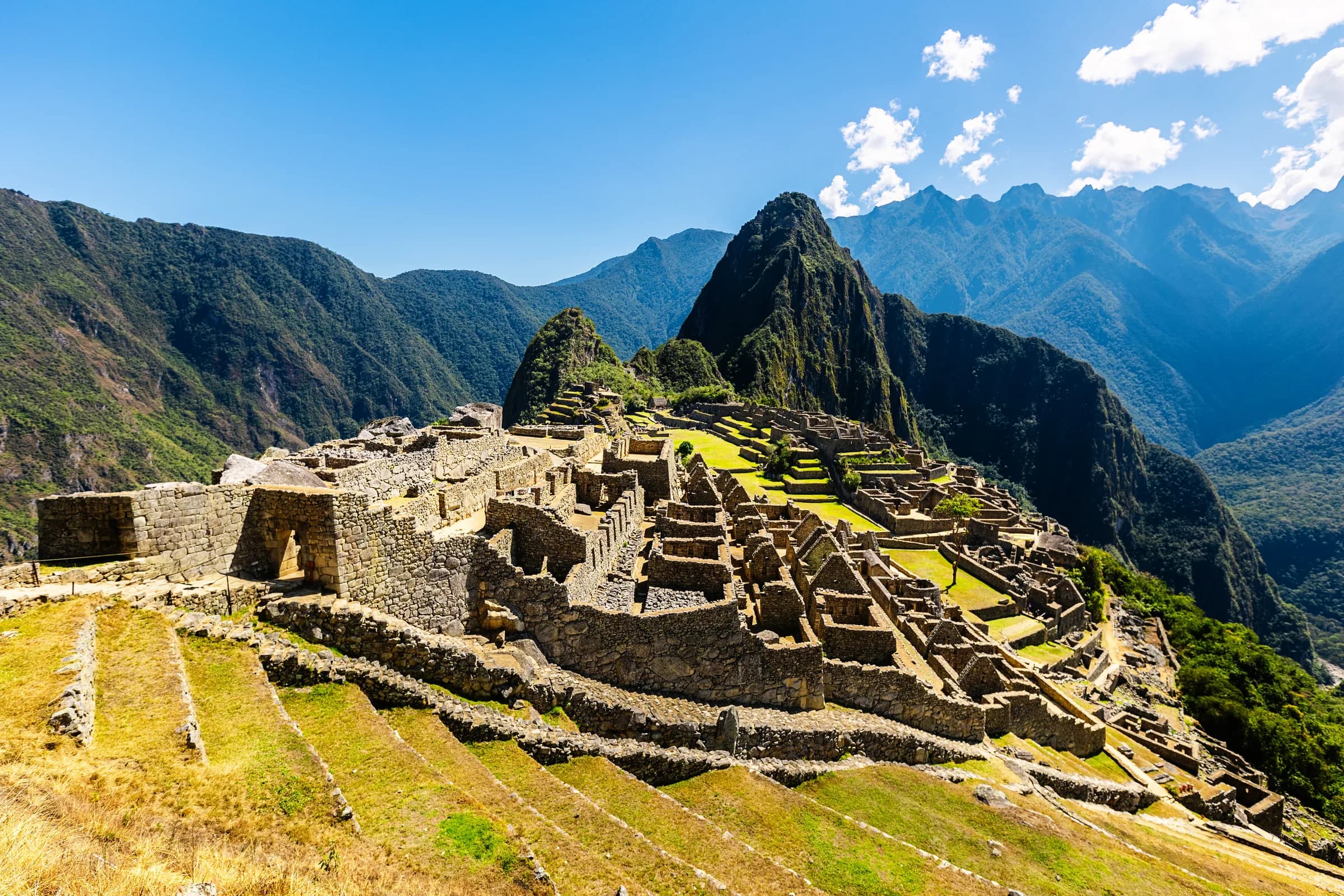
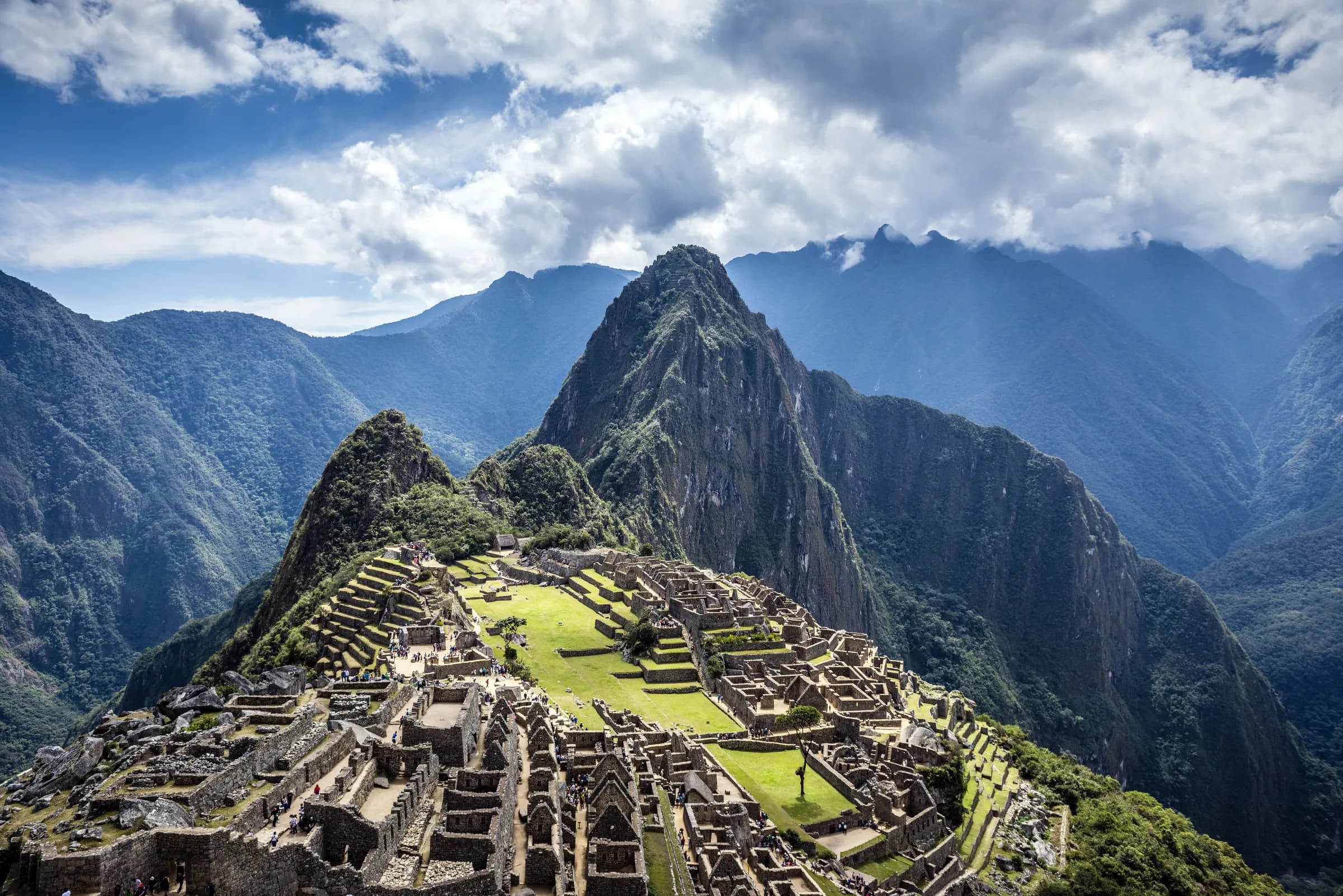
Machu Picchu is the most famous Inca citadel in the world, built in the 15th century during the reign of Pachacútec and brought back to global attention by explorer Hiram Bingham in 1911. Set 2,430 meters above sea level in the Cusco region of Peru, it has been a UNESCO World Heritage Site since 1983 and is one of the Seven Wonders of the Modern World. Visiting with an authorized operator guarantees official access, safe transportation, and a certified guide who brings every corner of the archaeological complex to life. At Danfer Tours we run daily tours from Cusco aboard a panoramic train, with official sanctuary entrance tickets and small groups for an intimate experience at the rooftop of the Andean world.
Tours to MP
Operated by Danfer Tours · Certified guides · Small groups · Book with confidence.
Why visit Machu Picchu?
Machu Picchu is far more than an archaeological site — it is a masterpiece of Andean engineering, built without mortar on a ridge between two peaks at over 2,400 meters of altitude. Its agricultural terraces, solar temples, astronomical observatory, and network of hydraulic channels reveal a profound mastery of astronomy, geology, and agronomy. Walking through the Sacred Plaza at dawn, watching the sun pierce the window of the Intihuatana at the solstice, or climbing Huayna Picchu for an aerial view of the citadel are experiences that reshape any traveler's perspective. What's more, the Urubamba River valley surrounding the citadel is one of the most biologically diverse regions on the planet — cloud forest, orchids, hummingbirds, and Andean cock-of-the-rock all thrive just steps from the ruins.
How to get to Machu Picchu from Cusco
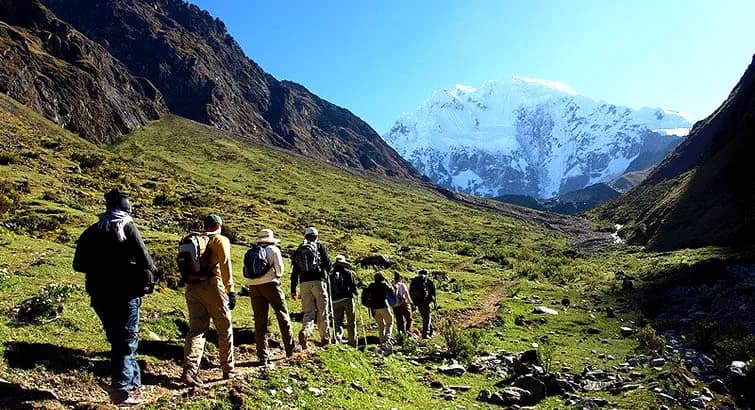
There are three official routes to reach Machu Picchu: (1) Train from Cusco (Poroy or San Pedro Station) to Aguas Calientes, followed by a shuttle bus up the mountain — the most popular option, taking about 3.5 hours aboard a panoramic train with views of the Sacred Valley and the high jungle. (2) The classic 4-day/3-night Inca Trail on foot, following the original route of the Inca chasquis and arriving at the Intipunku (Sun Gate) at dawn on day 4. (3) The 5-day Salkantay Trek, an alternative to the Inca Trail that follows the path beneath the Salkantay snow peak (6,271 m.a.s.l.) — it requires no SERNANP permit and pairs glaciers with jungle. Danfer Tours offers all three routes with every permit, private transportation, meals, and certified guides.
Best time to visit Machu Picchu
The dry season (May to September) is ideal: clear skies, temperatures from 8°C to 20°C, low chance of rain, and the very best views. June and July see the heaviest visitor traffic — book 2-3 months ahead and consider entering on the first time slot (6:00 am) to stay ahead of the crowds. The rainy season (December to March) brings lusher, greener landscapes and fewer tourists, though trails can become slippery. The Inca Trail closes in February for maintenance — the train to Aguas Calientes keeps running. May and September are the sweet spot between stable weather and thinner crowds.
What to bring to Machu Picchu
Essentials: a valid passport (required at the entrance), a printed or digital ticket, SPF 50+ sunscreen, sunglasses, a cap or hat, layered clothing (cold mornings, warm midday), closed-toe shoes with good grip, mosquito repellent for Aguas Calientes, water (1L minimum), energy snacks, and a lightweight rain poncho (even in the dry season). Recommended: a camera with a spare battery, binoculars for wildlife spotting, and a trekking pole if you plan to climb Huayna Picchu or Machu Picchu Mountain. Not allowed: large tripods, drones, outside food, long selfie sticks, and backpacks over 40L (there is a luggage storage facility at the entrance).
Altitude sickness: how to prepare
Machu Picchu sits at 2,430 m.a.s.l. — lower than Cusco (3,400 m.a.s.l.), so most travelers feel just fine. The real challenge is acclimatizing in Cusco beforehand. Arrive in Cusco 1-2 days before heading up to Machu Picchu, stay constantly hydrated (3L of water per day), avoid alcohol for the first 24 hours, eat light, and chew coca leaves or drink coca tea. If you take on the Inca Trail or Salkantay, acclimatization is critical because you cross passes as high as 4,650 m.a.s.l. — Danfer Tours includes 2 mandatory acclimatization days for those treks.