Inca Trail to Machu Picchu · 4 days along the original route
South America's most famous trek · SERNANP permits
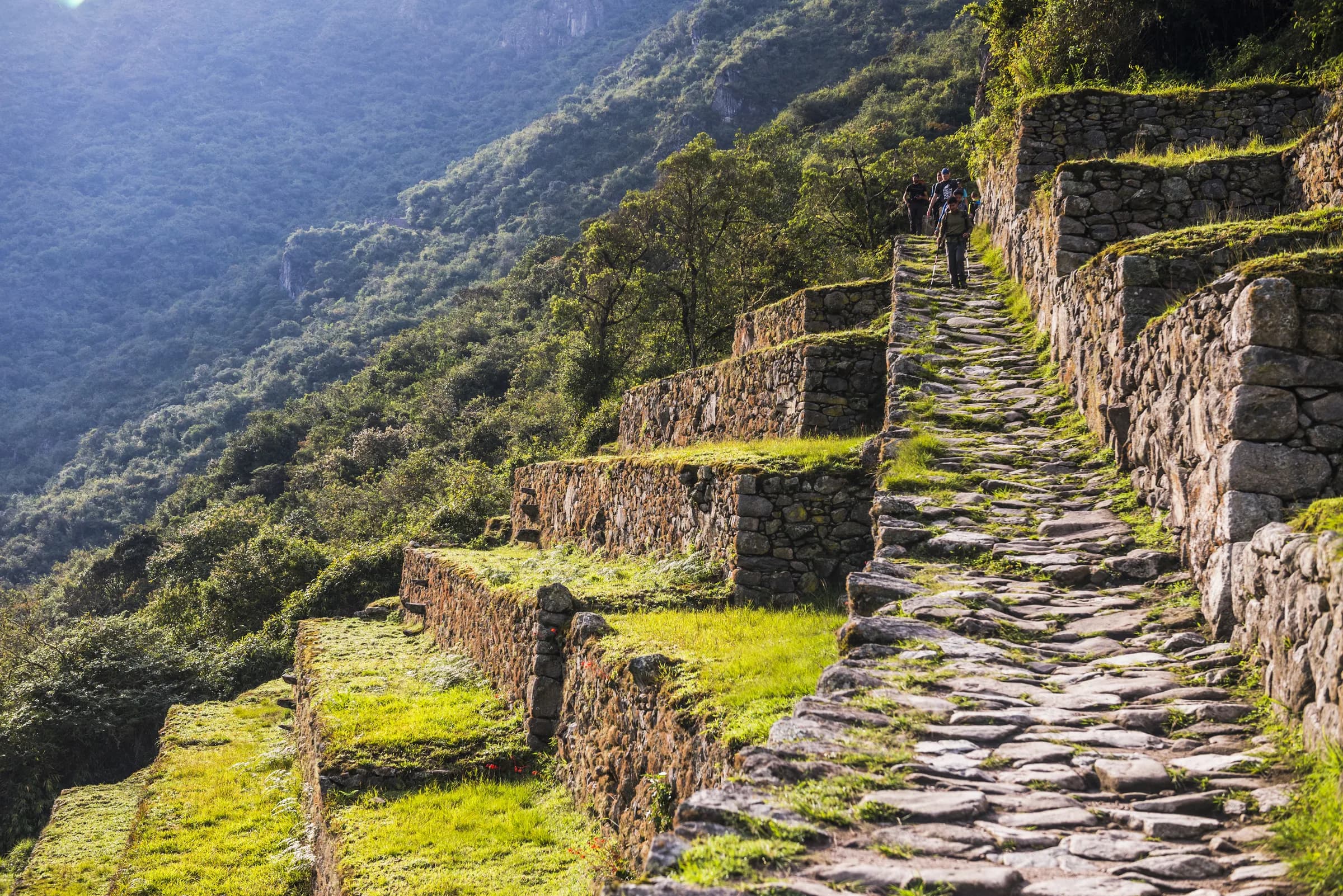
The classic Inca Trail is a 43-kilometer trekking route that connects the Sacred Valley with Machu Picchu, following the same stone-paved path that the chasquis traveled 500 years ago. It is part of the Qhapaq Ñan, the Inca road network declared a World Heritage Site by UNESCO. The classic trek lasts 4 days and 3 nights, crossing three mountain passes — the highest, Dead Woman's Pass (Warmiwañusca) at 4,215 m.a.s.l. — and visiting 8 archaeological sites lost in the Andean cloud forest (Llaqtapata, Runkuracay, Sayacmarca, Phuyupatamarca, Wiñay Wayna) before reaching the Intipunku (Sun Gate) at dawn on the fourth day, with the citadel of Machu Picchu emerging from the mist. Access is strictly regulated by SERNANP: only 500 people per day (including porters and guides), personal non-transferable permits, and officially licensed operators.
Tours to Inca Trail
Operated by Danfer Tours · Certified guides · Small groups · Book with confidence.
Classic day-by-day itinerary
Day 1 — KM 82 to Wayllabamba (12 km, ~6h, easy). Pickup at 4:30 am in Cusco, bus transfer to km 82 (trailhead, 2,720 m.a.s.l.). Hike through the Vilcanota River valley, visiting Llaqtapata. Camp at Wayllabamba (3,000 m.a.s.l.). Day 2 — Wayllabamba to Pacaymayo (12 km, ~7h, challenging). The hardest day: ascent to Warmiwañusca pass (4,215 m.a.s.l.). Descent to Pacaymayo campsite (3,600 m.a.s.l.). Day 3 — Pacaymayo to Wiñay Wayna (16 km, ~8h, moderate). The longest day but technically easy: 3 ruins (Runkuracay, Sayacmarca, Phuyupatamarca), cloud forest, descent to Wiñay Wayna (2,700 m.a.s.l.). Day 4 — Wiñay Wayna to Machu Picchu (6 km, ~3h, easy). Wake up at 3:30 am, arrive at Intipunku at sunrise (around 6:30 am), enter Machu Picchu and enjoy a 2-hour guided tour. Return to Cusco by train in the afternoon.
SERNANP permits and advance booking
The Inca Trail is the only route to Machu Picchu with a quota regulated by the Peruvian government. SERNANP (the National Service of Natural Protected Areas) issues 500 permits per day — 200 for tourists + 300 for porters, guides and cooks. Permits go on sale starting in October of the previous year and sell out quickly for the peak months (June-August). Each permit carries your name, passport number and date — it is non-transferable. At Danfer Tours we advise you to book 4-6 months in advance, securing the permit and the return train seats. In February the Inca Trail is closed for maintenance — the alternatives are Salkantay, Lares or Choquequirao.
Physical preparation and acclimatization
The Inca Trail is demanding but not technical — it requires no prior mountaineering experience, only good cardiovascular and mental fitness. We recommend: 2-3 months of preparation with hiking, stairs or light trekking (4-6 hours/week), at least 2 days of acclimatization in Cusco before the trek, constant hydration (3-4L/day during the trek), avoiding alcohol, and resting well the night before. If you have medical conditions (heart issues, high blood pressure, severe asthma) consult your doctor. The recommended age is 12-65 years; people over 65 in good physical shape also complete it.
What's included and what to bring
Included with Danfer Tours: official SERNANP permit, entrance to Machu Picchu, round-trip transport (bus + train), all meals (16 in total), boiled and purified water each morning, double tents, inflatable sleeping mats, official porters (carrying shared gear), a cook, a certified bilingual guide, a first-aid kit, an emergency oxygen tank, chemical toilets at campsites. You bring: a daypack (35L), a sleeping bag (-5°C), trekking poles, layered thermal clothing, a waterproof jacket, broken-in trekking shoes, a hat, gloves, sunglasses, a headlamp, sunscreen and lip balm, insect repellent, a personal hygiene kit, energy snacks, a camera, your original passport.
Alternatives if the Inca Trail is sold out
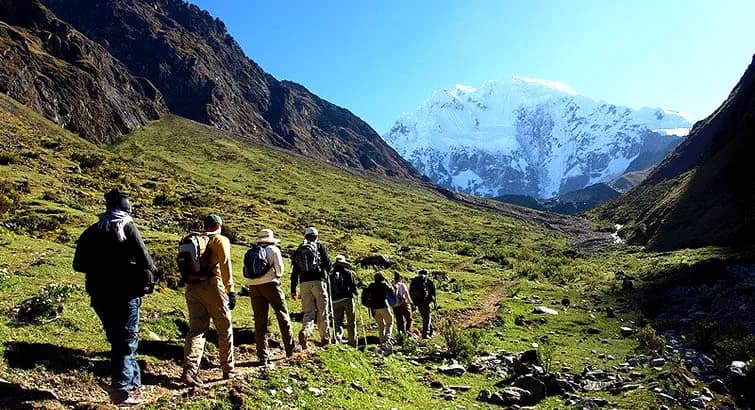
If the classic Inca Trail permits are sold out or you can't do 4 consecutive days, there are top-quality alternatives: Salkantay Trek (5D/4N) — the best alternative, circling the snow-capped Salkantay (6,271 m.a.s.l.) and reaching Machu Picchu via Llaqtapata. It requires no SERNANP permit and offers more varied landscapes (snow peaks + jungle). Lares Trek (4D/3N) — culturally richer, crossing traditional Quechua communities, with natural hot springs in Lares. Short Inca Trail (2D/1N) — only the last 14 km, reaching the Intipunku on day 2. Choquequirao (5D/4N) — Machu Picchu's "sacred sister," free of tourists, a physically more demanding trek. Danfer Tours operates all of these alternatives with the same quality.