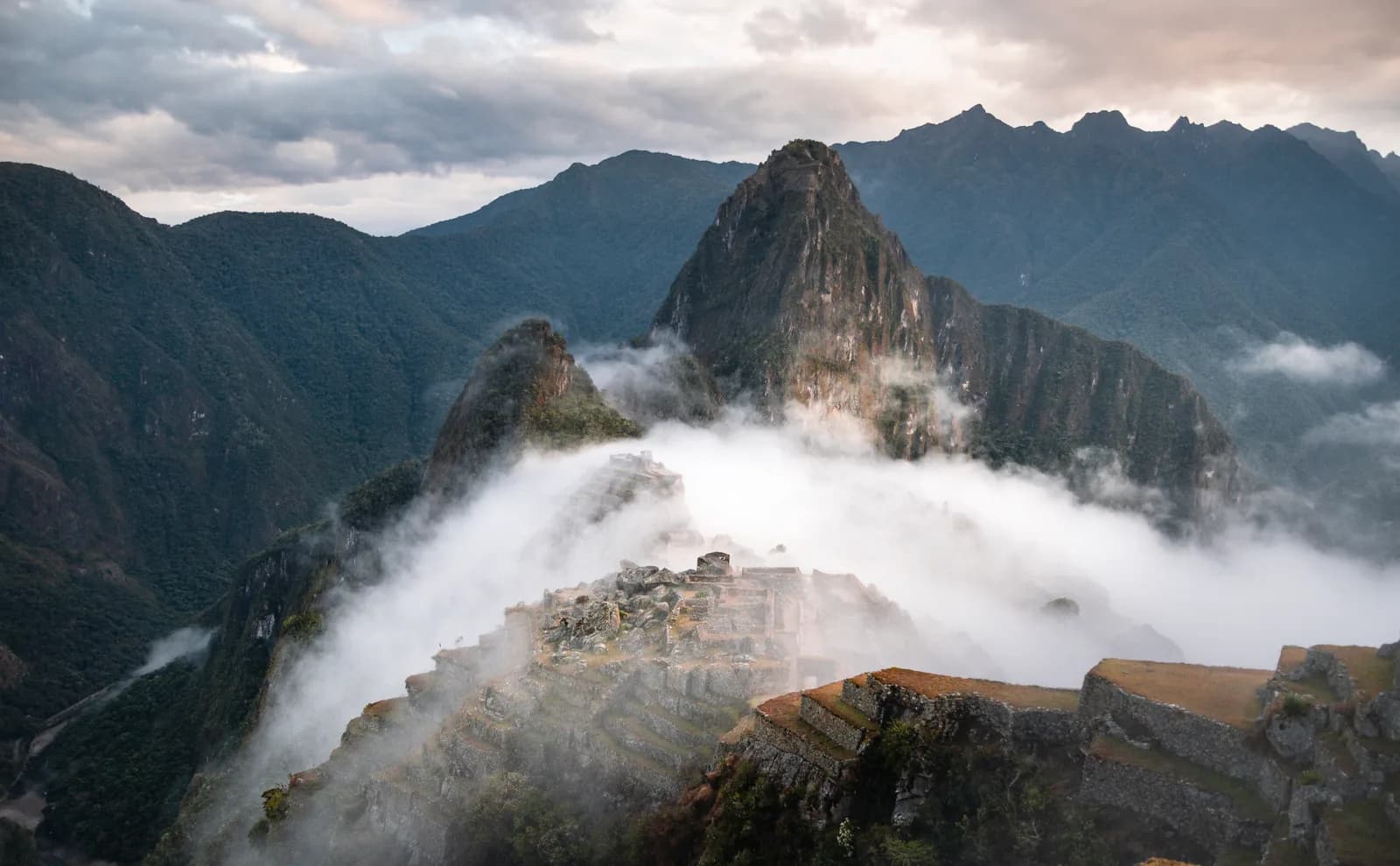
Choquequirao: the "Machu Picchu Nobody Visits"

Choquequirao: the "Machu Picchu Nobody Visits"
Choquequirao ("cradle of gold" in Quechua) is an Inca citadel comparable in size to Machu Picchu, with temples, agricultural terraces and canal systems — yet it receives under 5% of the visitors its more famous sister gets. Only a fraction of the site is estimated to have been excavated so far.
Where is it, and why so few visitors?
It sits in La Convención province, about 1,800 meters above the Apurímac River canyon, and has no road or rail access. It's reached only on foot (2 to 4 days of trekking) or by private helicopter. That difficulty of access is exactly what keeps it nearly empty.
The trek: what to expect
- Duration: 4 days / 3 nights round trip from Cachora (the most common route), or 2 days if done intensively.
- Difficulty: high. The trek descends to the Apurímac canyon (around 1,500 m) and climbs back up — total elevation gain/loss exceeds the classic Inca Trail.
- Camping: tents, with cooking staff and mule handlers carrying heavy gear on most operators' trips.
- Crowds: at the main viewpoint of the citadel it's common to be practically alone, unthinkable at Machu Picchu.
What you can see at the citadel
- Ceremonial plazas and main temples.
- The famous terraces with llamas carved in white stone (unique in the known Inca world).
- Still-functional water canal systems.
- Views of the Apurímac canyon, one of the deepest in South America.
Best time to go
Same as the rest of the Cusco highlands: May to September (dry season) for firmer trails and clear skies. In the rainy season the canyon stretches of the trail get slippery.
Will a cable car connect it soon?
There's a cable car project that would cut the trek down to a ride of minutes, but as of 2026 it remains under discussion and isn't operational — for now, the only way in is still on foot.
If a demanding trek with a real archaeological payoff sounds like you, contact us to plan dates and check the fitness level needed.
The trek day by day (classic 4-day version)
The most common route starts in the village of Cachora, about 4 hours by road from Cusco. This is the typical plan:
- Day 1 — Cachora to the canyon: a long descent along the Apurímac canyon to near the river. It's the hardest descent on your knees; the heat rises as you lose altitude.
- Day 2 — Climb to Choquequirao: you cross the river and the steep climb toward the citadel begins. It's the toughest day of the trek. You reach a camp near the archaeological site.
- Day 3 — The full citadel: a whole day to explore the plazas, temples and the terraces with white-stone llamas. Many travelers say it's the best day of their entire Peru trip.
- Day 4 — Return: you retrace the trail to Cachora. Some versions split it into two days to make it easier.
Choquequirao vs Machu Picchu: an honest comparison
| Choquequirao | Machu Picchu | |
|---|---|---|
| Access | On foot only (2-4 days) | Train + bus, or treks |
| Visitors | Very few | Thousands a day |
| Excavation | Partial | Almost complete |
| Physical effort | High | Low to moderate |
| Experience | Adventure and solitude | World icon, more organized |
It's not one or the other. Many travelers with more time do both: Machu Picchu because it's unique in the world, and Choquequirao for the experience of exploring an Inca citadel almost alone.
How to prepare
- Acclimatization: get to Cusco at least 2 or 3 days before you set off. Good warm-ups for those days are Humantay Lake or the Sacred Valley.
- Legs and knees: the total elevation change is big. If you can, train on stairs or hill walks in the weeks before, and use trekking poles.
- Sun protection and repellent: it's hot with insects at the bottom of the canyon; it gets very cold at night higher up.
- Travel insurance: it's a remote area with no road access. Make sure your policy covers trekking; we explain what to look for in our Peru travel insurance guide.
If you'd rather do a multi-day trek that ends at Machu Picchu, the Salkantay and the Inca Trail are the best-known alternatives.
Frequently asked questions
Is it harder than the classic Inca Trail?
Generally yes, considered more demanding due to the descent/ascent into the Apurímac canyon, though it doesn't reach the Inca Trail's maximum altitude (Warmiwañusca, 4,215 m).
Do I need a special permit like on the Inca Trail?
No — it doesn't require the limited 500-people/day permit that applies to the classic Inca Trail, giving more date flexibility.
Can it be done in 2 days?
Possible with good fitness, but most operators recommend 4 days to enjoy it without exhausting yourself.