Responsible Tourism in Cusco: How to Travel Without Harming What You Came to See

Responsible Tourism in Cusco: How to Travel Without Harming What You Came to See
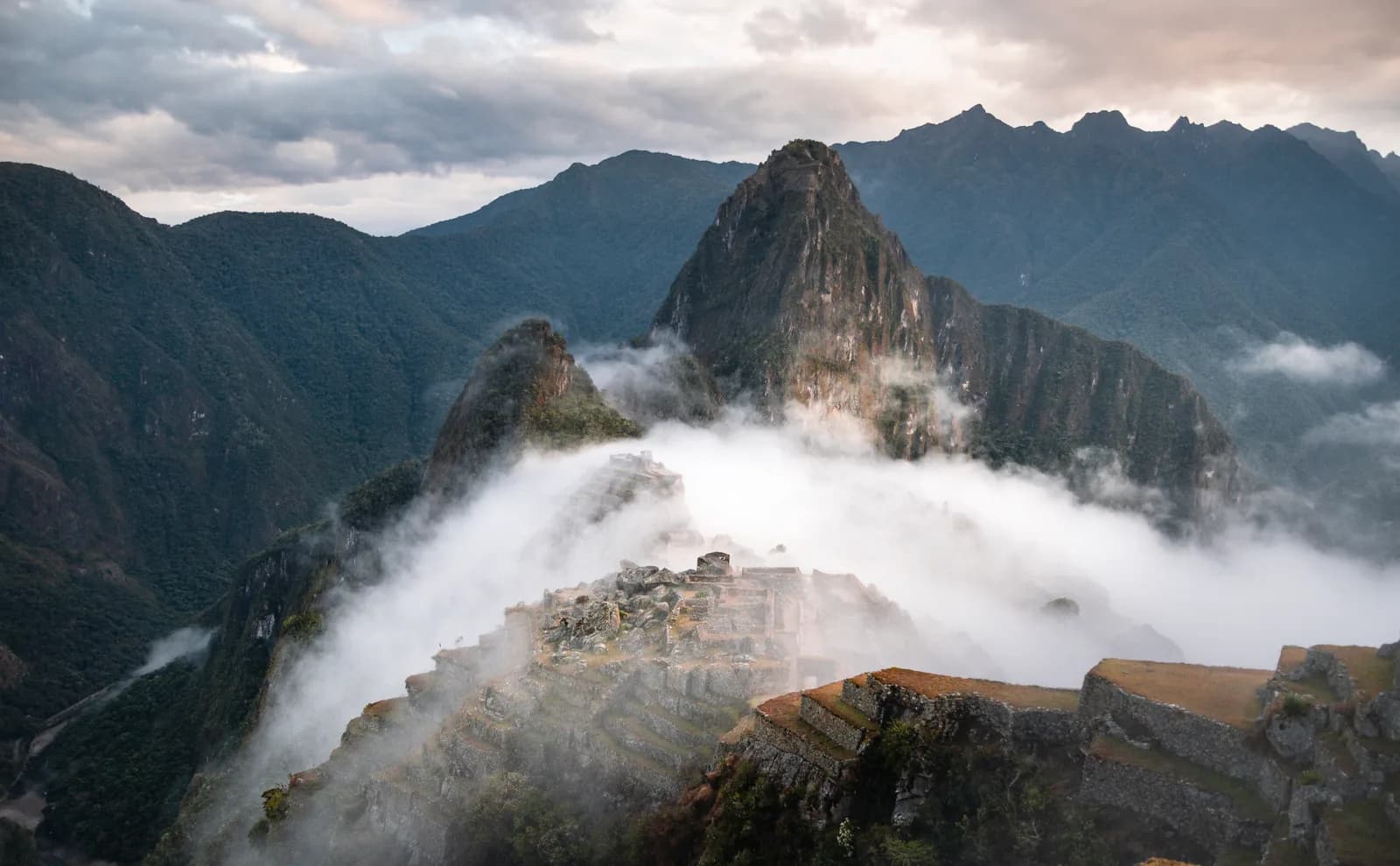
Machu Picchu receives thousands of visitors daily, and that pressure carries a real cost for the site and local communities. Here's what you can do to minimize your impact.
Respect established quotas and circuits
Regulated circuits and daily visitor limits exist to physically protect structures from accelerated wear after 500+ years. Stepping off the marked path or touching walls, however harmless it seems, contributes to deterioration.
Choose operators with real authorization
Informal operators aren't just a risk to you (see common scams); they often also skip carrying-capacity rules and don't pay the permits that fund the site's conservation.
Support local communities directly
- Buy crafts directly from producers or cooperatives, not just middlemen.
- Hire certified local guides and porters — it's a direct income source for families in the region.
- Eat at local restaurants and markets, not just international chains.
Don't leave waste in nature
On treks like Salkantay, Humantay or Rainbow Mountain, pack out all your trash, including organic waste that isn't native to the Andean ecosystem.
Respect communities and their culture
- Ask permission before photographing people, especially in rural communities.
- If there's a fee for a photo with someone in traditional dress, it's fair to pay it — it's part of their economy.
- Learn a few Quechua words (see useful phrases) as a gesture of respect.
Water and porters on high-altitude treks
On the Inca Trail and similar treks, check that the operator treats its porters well (regulated carry weight, food, proper gear) — it's a real labor-rights issue in the trekking industry.
Our commitment
As a local operator, we work with guides and porters from the region, follow each site's quotas and rules, and prioritize local suppliers in our tours' value chain. See about us.
Concrete actions that add up
Small decisions during your trip have more impact than you might think:
- Carry a reusable bottle and refill it at your hotel. It cuts plastic a lot, especially on mountain tours.
- Avoid single-use plastics at Machu Picchu: many disposable containers aren't allowed inside the sanctuary.
- Use the restrooms before entering archaeological sites and at tour stops, not in nature.
- Don't buy products from protected species: feathers, furs or stuffed animals.
- Save water and energy at your hotel: Cusco has seasons of water shortage.
Photos with animals: what to avoid
In the streets downtown you'll see people with llamas, alpacas or lambs for photos. Before paying, look at how the animals are doing: if they seem mistreated, exhausted, or are very young animals separated from their mothers, it's better not to take part. A good alternative is seeing llamas and alpacas in their natural setting, as in the landscapes of Rainbow Mountain or the Sacred Valley.
Respect sacred places
Many sites you'll visit are, for Andean communities, living sacred places, not just ruins:
- Don't climb on walls or carved rocks, such as the Intihuatana.
- Don't leave offerings, stacked stones or graffiti.
- If you take part in a Pachamama ceremony, like the optional one at Humantay Lake, do it respectfully: it's a spiritual practice, not a show.
Choose when to travel
High season (June to August) puts the most pressure on Machu Picchu and the treks. Traveling in April, May, September or October spreads visits more evenly, and you'll also find fewer people and better prices. Month by month in our best time to visit Machu Picchu guide.
Questions to ask any agency
- Are the guides and porters from the region?
- How much weight do porters carry and what gear do they have?
- Do you respect each site's official quotas and schedules?
- What do you do with waste on multi-day treks?
- Where do tour groups eat: local restaurants or chains?
A responsible agency answers these questions without hesitation. On our tours, like the Sacred Valley VIP, stops include local communities and workshops, such as the Chinchero weavers, and lunch is in the valley itself.
Frequently asked questions
Does tourism really damage Machu Picchu?
Yes, physical wear from footsteps and human contact is real, which is why daily quotas and regulated circuits have existed since 2019.
How do I know if an operator treats its porters well?
Ask directly about carry weight, food and gear before booking a multi-day trek.
Is it appropriate to pay for photos with local people?
Yes, if asked, it's a fair way to acknowledge their time and image — see it as part of the local economy, not a scam.