Cusco vs Lima vs Arequipa: Which to Visit First?

Cusco vs Lima vs Arequipa: Which to Visit First?
If you have limited time in Peru, this is the most repeated question. Each city offers something different — here's the honest breakdown.
Cusco: Inca history and Machu Picchu
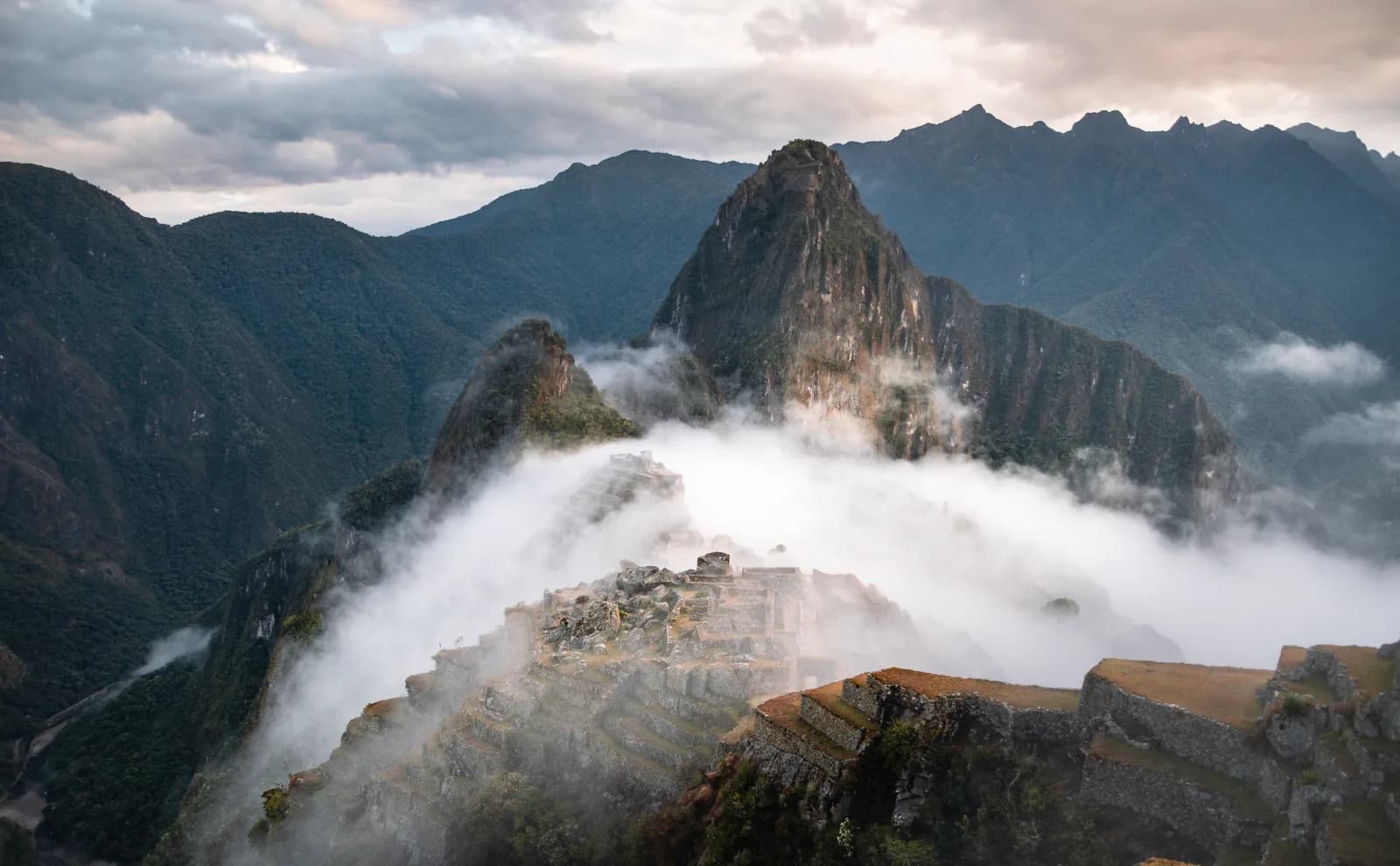
- Best for: it's the gateway to Machu Picchu, the Sacred Valley, Rainbow Mountain and several iconic treks.
- Altitude: 3,399 m — requires acclimatization (see our altitude sickness guide).
- Best for: travelers who prioritize Inca history, trekking and mountain scenery.
Lima: gastronomy and a coastal city
- Best for: it's South America's gastronomic capital — several world-class restaurants, plus the colonial historic center and the Miraflores district facing the ocean.
- Altitude: sea level, no altitude sickness risk.
- Best for: travelers who prioritize food, city life and don't want to deal with altitude.
Arequipa: colonial architecture and the Colca Canyon
- Best for: a white volcanic-stone city, with the Santa Catalina Monastery and access to the Colca Canyon (one of the deepest in the world), where you can see condors in flight.
- Altitude: 2,335 m — lower than Cusco, easier to acclimatize.
- Best for: travelers seeking a colonial city less crowded than Cusco, with canyon landscapes.
If you only have time for one, which to choose?
If your priority is Machu Picchu, Cusco is non-negotiable — it's hours away. If your priority is food and city life, Lima. If you want something less touristy but equally impressive, Arequipa and the Colca.
If you have 10-14 days, you can combine all three
The classic route is Lima → Arequipa/Colca → Cusco/Machu Picchu, taking advantage of short domestic flights between them. See our 10-14 day Peru itinerary for the full breakdown.
Planning your Peru route? Contact us and we'll help you prioritize based on your available days.
Quick comparison
| Cusco | Lima | Arequipa | |
|---|---|---|---|
| Altitude | 3,399 m | Sea level | 2,335 m |
| Must-see | Machu Picchu and the Sacred Valley | Food | Colca Canyon and Santa Catalina |
| Pace | Full-day excursions | Urban | A mix of city and nature |
| Minimum days | 4-5 | 2 | 3 |
| Weather | Dry and cold May-September, rain November-March | Overcast in winter (June-September), sunny in summer | Sunny almost all year |
What to do in Cusco if it's your priority
Cusco is the city that needs the most days, because it concentrates Peru's most famous excursions. A 5-day base plan with our tours:
- City Tour (US$15) on arrival day.
- Sacred Valley VIP (US$32): Chinchero, Moray, Maras and Ollantaytambo.
- and 4. Machu Picchu 2D/1N (US$380).
- Humantay Lake or Rainbow Mountain (US$35 and US$30).
If you're unsure how many days to give it, read how many days you need in Cusco.
Getting around between the three cities
- By plane: there are frequent direct flights between Lima and Cusco, and between Lima and Arequipa. It's the fastest way.
- By bus: the routes exist, but they're long rides through the mountains, many hours and almost always overnight. Only worth it if you have time and want to save money.
- By train: there's a tourist train between Cusco and Puno (Lake Titicaca), often combined on longer routes.
The most common mistake when combining all three
Flying from Lima straight to Cusco and doing a mountain tour the next day. You go from sea level to 3,400 meters in an hour. If you combine the three cities, the order Lima → Arequipa → Cusco acclimatizes you gradually; if not, leave at least two easy days when you reach Cusco. Everything about altitude in our altitude sickness guide.
Frequently asked questions
Which has better food, Lima or Cusco?
Lima is internationally recognized as a gastronomic capital, but Cusco has unique Andean dishes you won't find on the coast.
Does Arequipa have altitude issues like Cusco?
It's lower (2,335 m vs 3,399 m), so altitude sickness tends to be milder, though acclimatizing is still recommended.
Can I do all three cities in one week?
Possible but tight; 10-14 days allows for a much more enjoyable pace.