Traveling to Peru During El Niño: Which Regions to Avoid and How to Plan Your Route

Traveling to Peru During El Niño: Which Regions to Avoid and How to Plan Your Route
Updated: October 2026, based on ENFEN Official Statement No. 17-2026.
Peru is a huge country with very different climates: desert on the coast, mountains in the Andes and rainforest in the Amazon. That's why El Niño doesn't affect the whole country equally. While some regions may get intense rain, others keep their usual weather. This guide helps you decide what to include in your route during El Niño 2026-2027.
The current situation
ENFEN, the official commission that monitors El Niño in Peru, maintains the Coastal El Niño Alert. In its September 28, 2026 statement it said ocean warming off the coast is expected to stay at extraordinary magnitude until January 2027, weakening towards April-May 2027. Always check the latest update on ENFEN's official page (in Spanish).
Region by region
Northern coast: Tumbes, Piura, Lambayeque (and La Libertad)
Risk: high. This is the area most affected by El Niño. ENFEN forecasts above-normal rain and swollen rivers (Tumbes, Chira, Piura, La Leche, Jequetepeque). Flooding and closures of the Pan-American Highway North are possible.
- Beaches such as Máncora or Punta Sal: the sea will be warm, but heavy rain and road closures can complicate your trip.
- Chiclayo and Trujillo (Chan Chan, Lord of Sipán): heavy rain possible. Chan Chan, built from mud, is especially vulnerable to rain.
- If you go: fly rather than take the bus, check SENAMHI alerts and keep your dates flexible.
Central coast: Lima, Ica, Paracas
Risk: moderate. Above-normal rain is expected on the central coast and, above all, heat: ENFEN forecasts temperatures well above normal along the whole coast, with possible records. Rain in Lima is usually light, but in the highlands above the city it can trigger landslides that close roads such as the Carretera Central.
- Lima: fine to visit. Bring light clothing, sunscreen and plenty of water.
- Road trips into the central highlands: check road conditions before setting off.
Southern Andes: Cusco, Machu Picchu, Sacred Valley
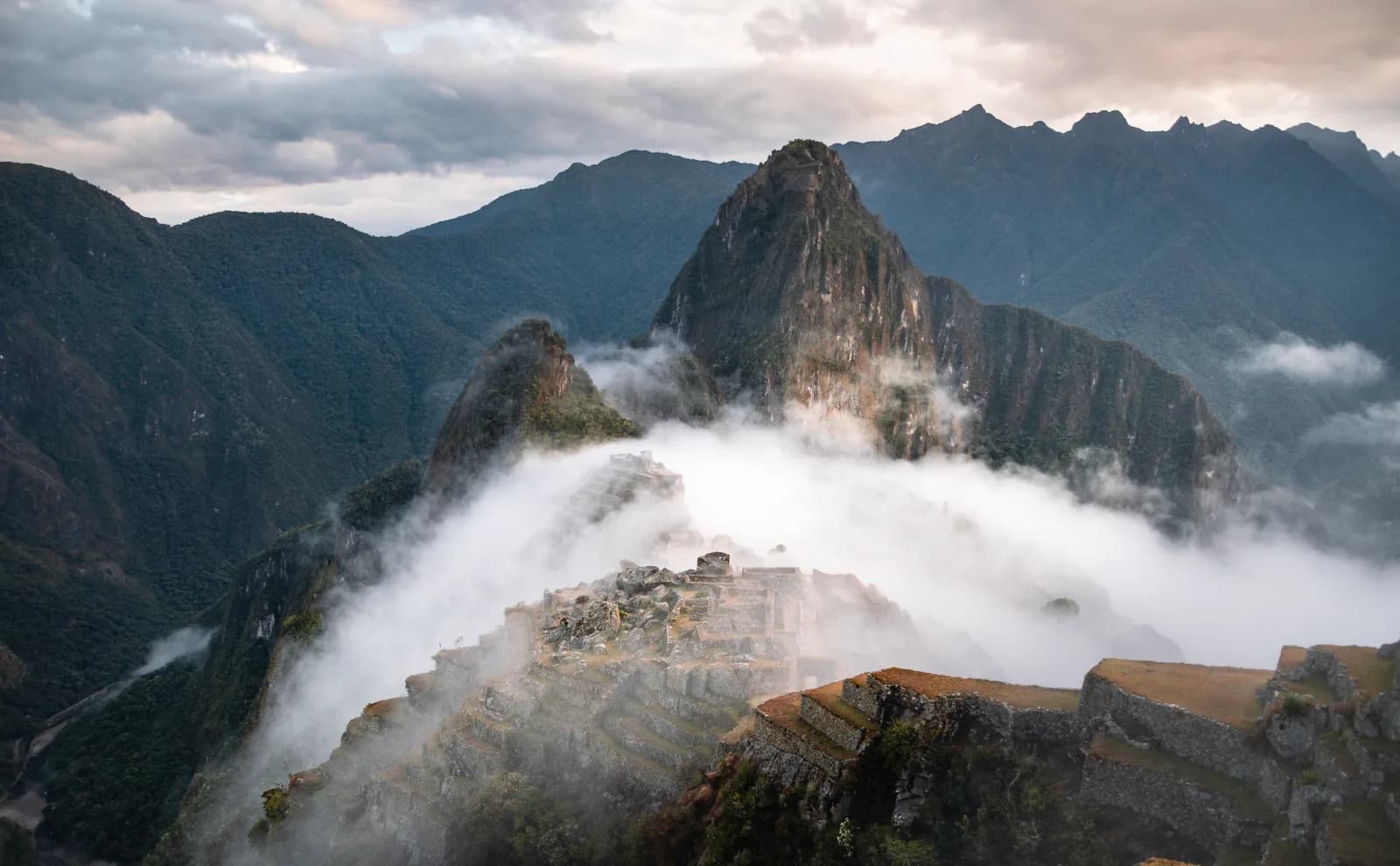
Risk: low from El Niño. ENFEN forecasts normal to below-normal rain in the southern Andes from October to December, and below normal to normal in summer 2027. Cusco follows its usual rainy season (November to March), with no increase expected from El Niño. Full details in El Niño 2026-2027: is it safe to travel to Cusco and Machu Picchu?.
Arequipa and the Colca Canyon
Risk: low. Part of southern Peru, with a forecast similar to the southern Andes. Arequipa gets little rain even in summer.
Puno and Lake Titicaca
Risk: low from rain. The forecast points to below-normal river flows in the Titicaca basin, meaning a drier year. For tourists, this doesn't change a visit to the Uros floating islands or Taquile.
The Amazon: Puerto Maldonado, Iquitos
Risk: low from rain. Normal to below-normal rainfall is expected. They remain hot and humid destinations, as always.
Suggested route: the southern Andes
If you have one or two weeks and want to avoid the highest-risk areas, southern Peru is your best bet during El Niño:
- Lima (1-2 days): food, the historic center and Miraflores. Fly to Cusco.
- Cusco (2 days): acclimatization and a City Tour (US$15) to Sacsayhuamán and Qoricancha.
- Sacred Valley (1 day): Sacred Valley VIP (US$32) through Chinchero, Moray, Maras and Ollantaytambo.
- Machu Picchu (2 days): Machu Picchu 2D/1N (US$280) with a night in Aguas Calientes.
- Rainbow Mountain or Humantay Lake (1 day): Rainbow Mountain or Humantay Lake, from US$30.
- Optional: Puno and Lake Titicaca, or Arequipa and the Colca.
For a fuller version, see our 10-14 day Peru itinerary and our 7-day Cusco itinerary.
Tips for traveling during El Niño
- Fly between regions instead of taking long bus rides along the northern coast.
- Leave buffer days, especially before international flights.
- Get travel insurance that covers weather-related cancellations and changes. We explain it in travel insurance for Peru.
- Follow official sources: ENFEN (statements every two weeks) and SENAMHI (forecasts and alerts).
- Book flexibly: ask your agency what happens if dates need to change.
Frequently asked questions
Which areas of Peru does El Niño 2026-2027 affect?
According to ENFEN, mainly the northern coast (Tumbes, Piura, Lambayeque) and the central coast, with above-normal rain and very high temperatures. The southern Andes and the Amazon are expected to have normal to below-normal rain.
Is it a good idea to go to Máncora during El Niño?
It is the area at greatest risk of heavy rain and road closures. If you go, check SENAMHI alerts, fly to Piura or Tumbes and keep your dates flexible.
What route is best in Peru during El Niño?
The southern Andes: Lima, Cusco, the Sacred Valley, Machu Picchu and, if you have time, Puno or Arequipa. It is the lowest-risk area according to the official forecast.
Does El Niño affect flights to Cusco?
The Lima-Cusco flight doesn't cross the heavy-rain areas of the northern coast. Occasional weather delays can happen, as in any rainy season.