The Inca Trail Step by Step: the Complete 4-Day Trek Guide to Machu Picchu
The Inca Trail Step by Step: the Complete 4-Day Trek Guide to Machu Picchu
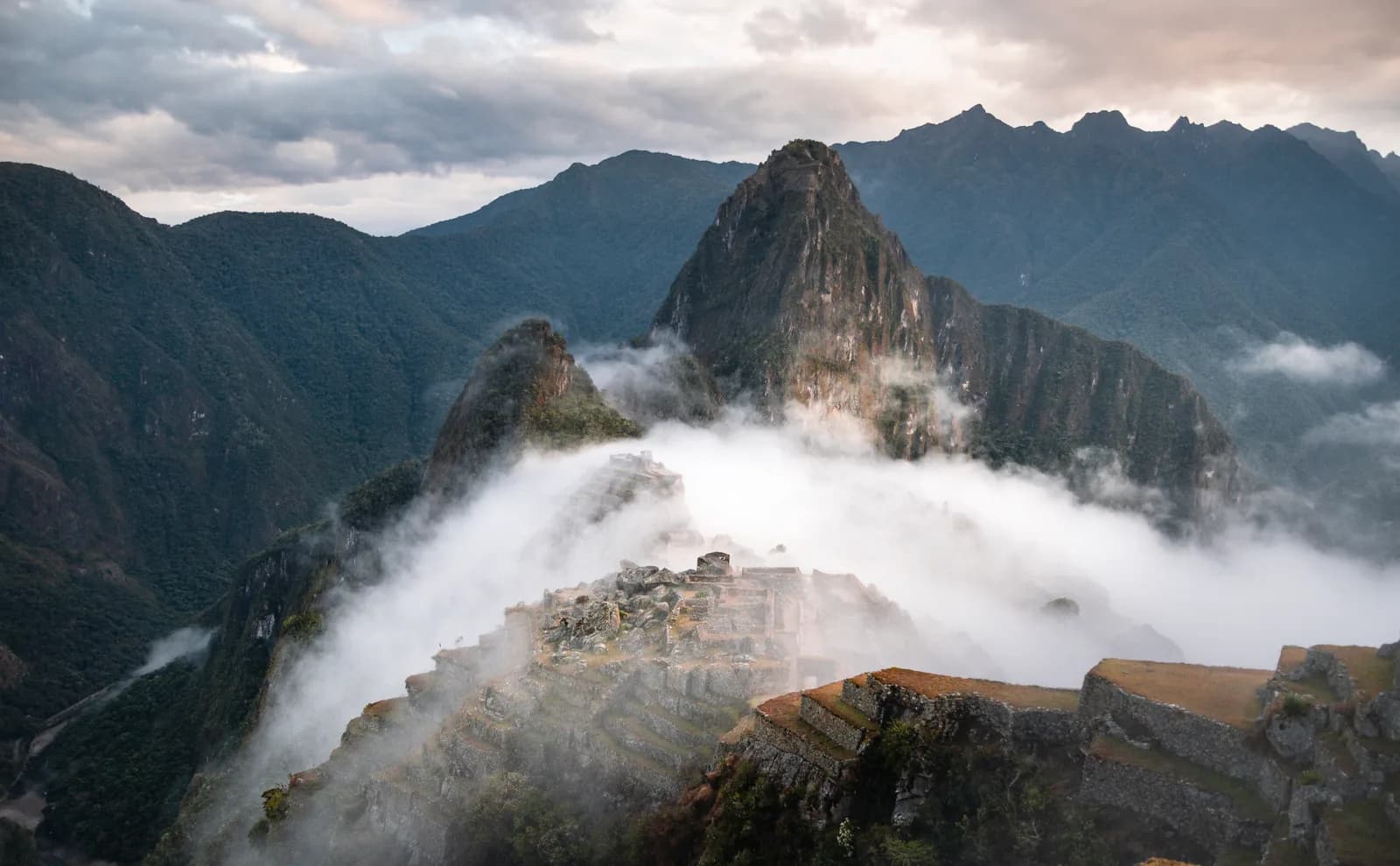
The classic Inca Trail is South America's most famous hike: 43 kilometers along the original path of the Inca Empire, crossing three mountain passes and eight archaeological sites, and arriving at the Intipunku (Sun Gate) at dawn on day four, with the citadel of Machu Picchu emerging from the mist. This is no ordinary trek — it is a physical and spiritual pilgrimage that only 500 people per day (porters included) may walk, thanks to SERNANP regulation.
This guide is for anyone planning their Inca Trail or wondering whether to do it. Here is the day-by-day, what to pack, how to train, and the decisions to make before booking.
What exactly is the Inca Trail?
The classic Inca Trail (Inka Ñan in Quechua) is the 43 km stretch of the Inca road network Qhapaq Ñan connecting kilometer 82 of the Cusco–Aguas Calientes railway with the citadel of Machu Picchu. It has been a UNESCO World Heritage route since 2014. The trail crosses unique ecosystems — high-Andean puna, cloud forest, high jungle — and links 8 archaeological sites: Llaqtapata, Runkuracay, Sayacmarca, Phuyupatamarca, Wiñay Wayna and the Intipunku itself, plus camps like Wayllabamba and Pacaymayo.
Day-by-day itinerary
Day 1 — KM 82 to Wayllabamba (12 km, 6 hours, easy)
Pickup in Cusco at 4:30 am by private bus. A 2-hour drive to km 82 (Piscacucho, 2,720 m), site of the official SERNANP checkpoint. Here you present your original passport and permit. The hike begins crossing the hanging bridge over the Vilcanota river. A wide trail with gentle gradients for 4 hours — a good warm-up. Visit to the Llaqtapata site (panoramic view of the Vilcanota valley). Lunch on the trail. Arrival at Wayllabamba (3,000 m) around 4 pm. Camp, a hot dinner, and rest before the hardest day.
Day 2 — Wayllabamba to Pacaymayo (12 km, 7 hours, demanding)
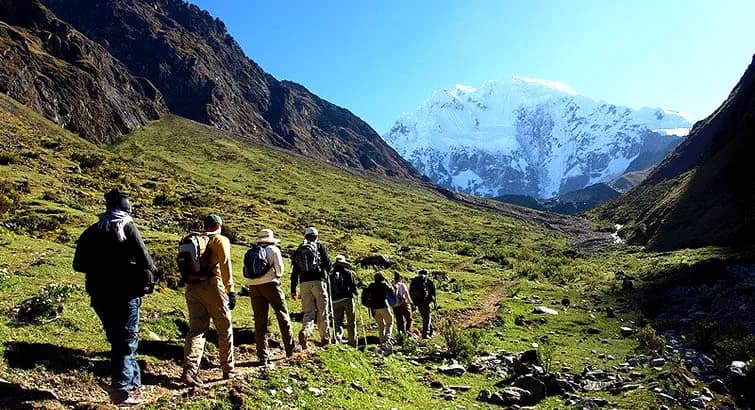
The toughest day of the trek. Wake at 5:30 am, big breakfast (oats, bread, eggs, coca tea). A 1,200 m climb to Dead Woman's Pass (Warmiwañusca, 4,215 m) — the trek's highest point. The ascent follows regular Inca stairways, but the altitude hits hard. The plan: walk very slowly, stop every 10 minutes, hydrate constantly. From the pass, a 360° view of the Peruvian Andes. Then a 700 m descent to Pacaymayo (3,600 m) on original stone paving. Arrival mid-afternoon, hot coffee, dinner, early sleep.
Day 3 — Pacaymayo to Wiñay Wayna (16 km, 8 hours, moderate)
The longest day in distance but technically kinder. Climb to the second pass (3,950 m) with a visit to Runkuracay (a circular Inca watchpost). Descend and climb to the third pass (3,650 m) with Sayacmarca (an Inca town clinging to the rock). In the afternoon, descend through cloud forest to Phuyupatamarca ("town above the clouds," 3,650 m) — one of the most impressive sites of the trek. A final 1,000 m descent down Inca stairways to Wiñay Wayna (2,700 m). Celebration dinner and porter tips.
Day 4 — Wiñay Wayna to Machu Picchu (6 km, 3 hours, easy)
Wake at 3:30 am. Quick breakfast. Hike in the dark by headlamp along a flat trail. Arrival at the Intipunku checkpoint at dawn (~5:45 am). On a clear morning, the sun rises between the peaks of Salkantay and Veronica, lighting Machu Picchu from behind. This is what you waited 4 days for. Descend to the Machu Picchu complex on the upper trail, a 2-hour guided tour inside the sanctuary, bus to Aguas Calientes, lunch and the return train to Cusco. Arrival in Cusco between 9 and 11 pm.
SERNANP permits: the most important fact
The Peruvian state strictly regulates the Inca Trail:
- 500 permits per day: 200 for tourists + 300 for porters, guides and cooks.
- Quotas open in October of the previous year and sell out fast for June–August.
- Permits are personal and non-transferable: tied to your name and passport number.
- Non-refundable once issued.
- February: CLOSED for trail maintenance.
- Only authorized operators can process permits — individuals cannot buy them directly.
Danfer Tours' advice: book 4–6 months ahead for June–August, 2–3 months for May and September, 1–2 months for April, October and November.
How to train for the Inca Trail
You do not need to be an athlete, but do not show up with zero preparation. Recommended 8-week plan:
- Weeks 1–2: 3 one-hour walks per week with a light pack (5 kg). 15 minutes of stair climbing daily.
- Weeks 3–4: 2 long walks per week (2–3 hours) + 1 leg-strength session.
- Weeks 5–6: 1 long hike per week (4–5 hours) with an 8 kg pack on varied terrain.
- Weeks 7–8: taper with shorter walks to arrive fresh.
Essential: a minimum of 2 acclimatization days in Cusco (3,400 m) before the trek. Ideally 3–4. See our altitude sickness guide.
What to pack — the official list
What Danfer Tours provides (included in the price):
- SERNANP permit, Machu Picchu entry ticket
- Transport (bus to km 82 + return train)
- All meals (16 in total) + boiled water
- Double tents, inflatable sleeping pads
- Licensed porters with insurance (they carry the shared gear)
- A cook and a certified bilingual guide
- Emergency oxygen tank, first-aid kit
- Portable chemical toilets at camps
What you bring:
- Daypack (30–40 L)
- Sleeping bag rated −10 °C (rentable from us, US$20)
- Trekking poles (rentable, US$15)
- Broken-in hiking boots or shoes
- Layered clothing: thermal base, fleece, waterproof windbreaker
- Trekking pants + 2 pairs of wool socks
- Headlamp, UV400 sunglasses, warm hat, gloves
- SPF 50+ sunscreen, SPF lip balm
- 2 L of water (refill at every camp)
- Personal snacks (chocolate, nuts, bars)
- Original passport (checked at every checkpoint)
- Cash in soles for tips (~US$60–80 suggested)
How to choose an Inca Trail operator
Three non-negotiable criteria:
- Official SERNANP license: any legitimate operator will show you their operator number. Without it, they cannot issue permits.
- Porter welfare: the most important ethical point. Ask how much they carry (25 kg legal maximum since 2002), whether they have health insurance, whether they eat the same food as the tourists. At Danfer Tours our porters earn above the SERNANP minimum, carry full health insurance and eat exactly the same dinner as the groups.
- Group size and gear: maximum 16 people per group, ideally 8–12. Double tents (not triples), inflatable pads (not thin foam), balanced meals from a trained cook.
Red flag: an Inca Trail under US$650 means something is being cut — usually underpaid porters or a missing official permit.
Alternatives if permits are sold out
- Salkantay 5D/4N (US$550–700): the best alternative, no SERNANP permit needed, even more varied scenery — see our Salkantay guide.
- Lares 4D/3N (US$500–650): more cultural (Quechua communities, hot springs).
- Choquequirao 5D/4N (US$700–900): Machu Picchu's "sacred sister," almost tourist-free.
- Short Inca Trail 2D/1N (US$450–550): the final 14 km of the classic, reaching the Intipunku on day 2.
The final decision
If you have the fitness, the budget and a permit, the Inca Trail is an experience that changes how you see life. It is not for everyone, but those who finish it describe the dawn moment at the Intipunku as one of the most overwhelming of their lives.
Ready to book? See our Inca Trail options with Danfer Tours or browse all available tours. Questions? Write to hola@danfertourscusco.com.
Book your Inca Trail
Check dates and permit availability on our 4-day Inca Trail. If there's no space on your dates, we'll suggest the best alternative for your time and fitness.
Frequently asked questions
How far ahead should I book the Inca Trail?
4 to 6 months ahead, especially if you're traveling May to September. Permits are limited and issued in your name with your passport.
Is the Inca Trail open all year?
No. It closes for all of February for maintenance and because of the rains.
Which day is the hardest?
Day 2, when you climb Dead Woman's Pass (Warmiwañusca) at 4,215 m. It's the highest point of the trek.
What if I can't get a permit?
The Salkantay is the best alternative: it doesn't need a limited permit and also ends at Machu Picchu. If you're short on time, the 2-day short Inca Trail uses a separate permit quota.