
Machu Picchu in the Rainy Season: Is It Worth Visiting from November to March?
Machu Picchu in the Rainy Season: Is It Worth Visiting from November to March?
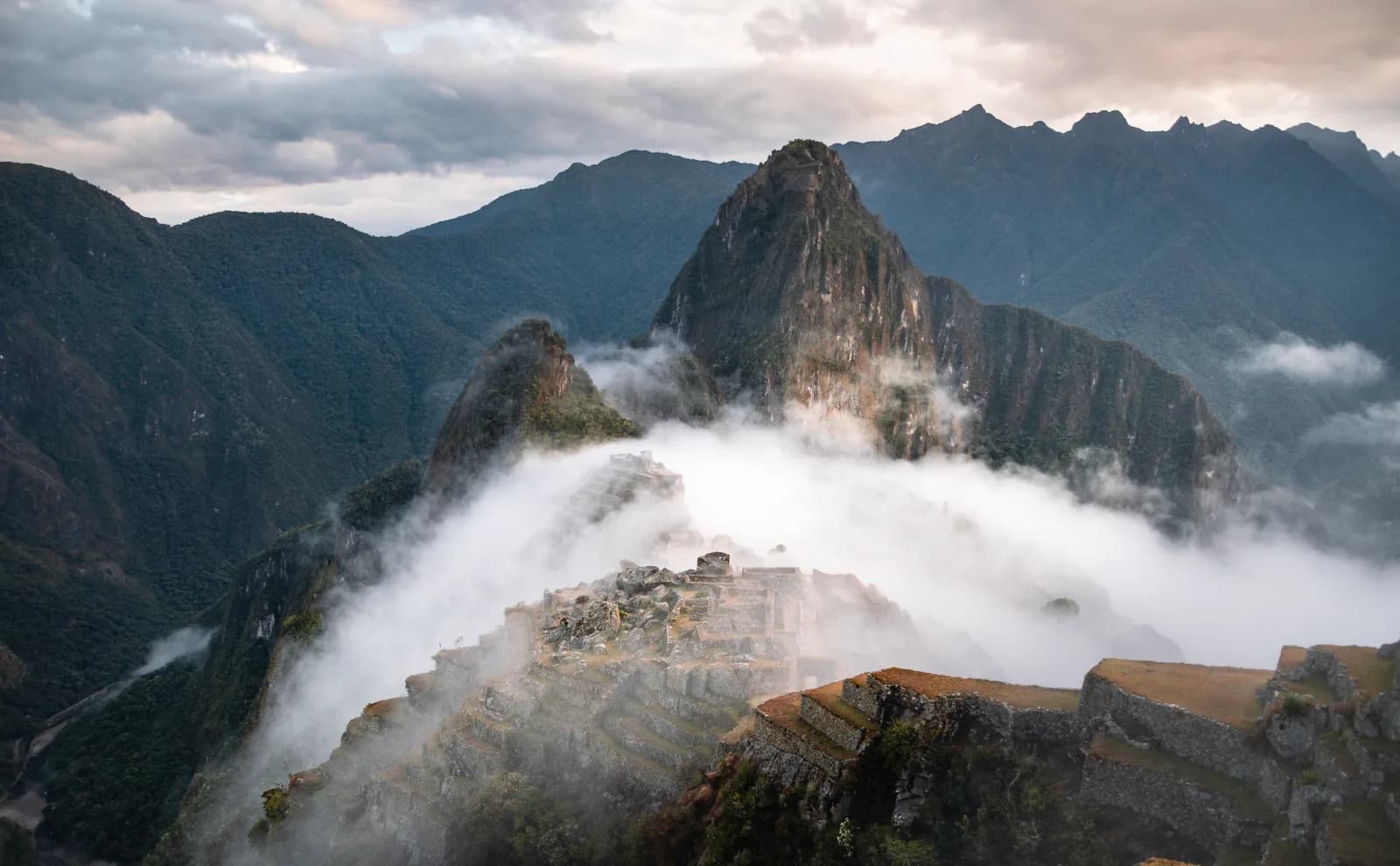
Many people rule out traveling to Cusco between November and March because "it's the rainy season". It does rain, but that doesn't mean your trip is ruined. In fact, for many travelers it is one of the best times to go: fewer crowds, everything is green, and the clouds around Machu Picchu make for the most beautiful photos. Here is what it is really like and how to prepare.
What the rainy season is like in Cusco
- November and December: the rains begin. Usually afternoon showers with clear mornings.
- January and February: the wettest months. It can rain for several hours straight, and some days it doesn't stop.
- March: the rain gradually eases and the landscape is at its greenest.
A typical pattern: sunny or cloudy morning, rain in the afternoon, cool night. So it pays to do your most important visits early. For a month-by-month breakdown, see our guide to the weather in Cusco.
Machu Picchu sits lower (2,430 m) on the edge of the cloud forest, so it is more humid and rains more often than Cusco. It is also warmer.
Advantages of traveling in the rainy season
- Fewer crowds: outside the year-end holidays and Easter, the citadel is far calmer than in July or August.
- Better availability: tickets, trains and hotels are easier to book at short notice.
- Green landscapes: the terraces, the Sacred Valley and the mountains are at their most vivid.
- Misty photos: Machu Picchu among drifting clouds is a view you won't get in the dry season.
Downsides you should know about
- The Inca Trail closes in February for maintenance. The 4-day treks don't run that month; Machu Picchu itself stays open.
- Views can be hidden: some days the citadel is wrapped in fog for hours. It usually clears at some point, so patience helps.
- Slippery paths: the stone stairways get slick. You need good footwear.
- Possible train disruptions: in the wettest months, landslides (huaicos) occasionally delay or cancel trains. It is not frequent, but leave a buffer day before your flight home.
Which tours run in the rainy season
| Tour | Running? | What to expect |
|---|---|---|
| Machu Picchu 2D/1N (US$280) | Yes, all year | The best choice: if the morning is cloudy, you have more time to wait for it to clear |
| Cusco City Tour (US$15) | Yes | Afternoon rain is common; bring a poncho |
| Sacred Valley VIP (US$32) | Yes | Very green scenery; the Maras salt pans may look less white |
| Rainbow Mountain (US$30) | Yes, except in heavy snow | Snow can cover the colors |
| Humantay Lake (US$35) | Yes | Muddier trail; the lake stays turquoise |
| Inca Trail 4D/3N | Not in February | Runs the rest of the season, in the rain |
Our advice: in the rainy season, choose Machu Picchu in 2 days over a day trip. Sleeping in Aguas Calientes lets you enter early, when it tends to rain less, and you don't depend on a single short time slot. We describe the town in our Aguas Calientes guide.
What to pack
- Rain poncho or waterproof jacket (plastic ponchos are sold everywhere for a few soles).
- Shoes with good grip, ideally waterproof.
- Quick-dry layers. Avoid cotton.
- Dry bag or plastic bags to protect your phone, camera and passport.
- Insect repellent for Machu Picchu and Aguas Calientes.
- Sunscreen: even when cloudy, UV radiation at this altitude is very strong.
Full list in our post on what to pack for Cusco.
Special dates in the rainy season
- Christmas and New Year: Cusco fills up. Book ahead. The Santurantikuy market (December 24) in the Plaza de Armas is a great experience.
- Carnival (February): water fights and festivities in neighborhoods and villages.
- Easter (March or April): lots of domestic tourism; spots sell out.
So, is it worth it?
Yes, if you accept that the weather is part of the trip. Most rainy-season travelers get at least a few hours of clear sky at Machu Picchu, pay less for hotels and enjoy the citadel with fewer people. If your dream is the 4-day Inca Trail, avoid February. If you want to guarantee blue skies, travel between May and September (read the best time to visit Machu Picchu).
What about El Niño 2026-2027?
ENFEN maintains a Coastal El Niño Alert, but its forecast for the southern Andes (Cusco and Machu Picchu) is normal to below-normal rain this summer: heavy rain is concentrated on the northern and central coast. We explain it with the official data in El Niño 2026-2027: is it safe to travel to Cusco and Machu Picchu?.
About the train in the rainy season and how to pick a schedule, read our guide to the train to Machu Picchu.
Month by month: Machu Picchu in January · February · March.
Frequently asked questions
Does Machu Picchu close in the rainy season?
No. The citadel is open all year. What closes in February is the Inca Trail, for maintenance.
What is the rainiest month in Cusco?
January and February get the most rain. November, December and March have shorter showers, usually in the afternoon.
Is it worth visiting Machu Picchu in January or February?
Yes, if you sleep in Aguas Calientes and enter early. There are fewer crowds and the landscape is very green. Bring a poncho and good shoes, and leave a buffer day in case of train delays.
Can you do Rainbow Mountain in the rainy season?
Yes, the tour runs almost all year. Sometimes it snows and the colors get covered, but the snow usually melts within a few hours.

