Sunrise vs Sunset at Machu Picchu: Which to Choose?

Sunrise vs Sunset at Machu Picchu: Which to Choose?
An important clarification first: Machu Picchu closes before real sunset (the last entry is usually mid-afternoon), so you won't see a classic sunset inside the citadel like at other destinations. Here's what you can actually expect.
The morning slot (first entry)
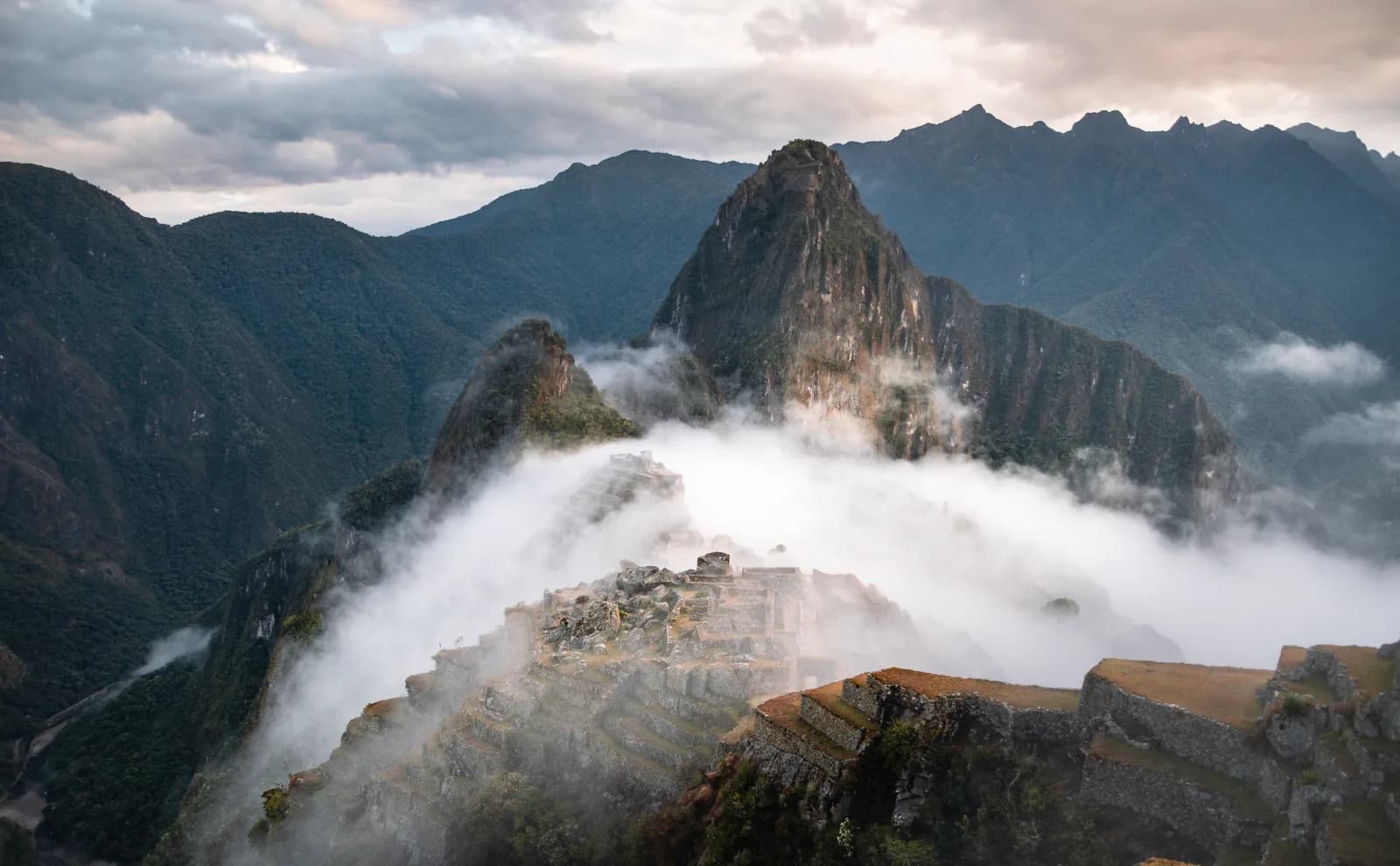
- Pro: soft light, mist clearing (very photogenic), smaller groups, cool temperature ideal for walking.
- Con: you have to wake up very early — the first bus from Aguas Calientes often has a line forming before 5am in high season.
- Best for: photographers, those who prioritize fewer crowds, those combining it with the Huayna Picchu climb (climb slots are usually in the morning).
The mid-afternoon slot (last entry)
- Pro: fewer people than midday, warmer golden light in certain sectors, no need to wake up early.
- Con: the circuit can feel rushed since the site is closing; in rainy season, more likely low clouds have already formed.
- Best for: travelers who prefer to sleep well the night before and aren't focused on the classic sunrise-lit viewpoint shot.
Are there real "sunrise" or "sunset" tours?
Operators use these terms commercially to refer to the first or last available entry slot, not a literal sunrise/sunset event over the citadel (the sun rises and sets behind the surrounding mountains, not on a clear horizon).
Our recommendation
If the iconic misty, soft-light photo is your priority: first entry. If you'd rather sleep a bit more and aren't obsessed with the perfect shot: the last slot works just as well to see the site.
Want to lock in the slot that suits you best? Check availability with us before your preferred date sells out.
How it changes by season
- Dry season (May to September): clearer mornings, but it's also high season. The first slots sell out sooner and the bus line starts very early.
- Rainy season (November to March): higher chance of thick mist first thing. In exchange, when it clears it leaves some of the most dramatic views of the year, with fewer people.
- April, May and October: usually a good balance of weather and crowds.
Month by month in our best time to visit Machu Picchu guide.
How each slot fits your itinerary
If you want the first slot
The practical way is to sleep in Aguas Calientes the night before. From Cusco there's no way to reach the citadel for the first entry on the same day. That's why our Machu Picchu 2D/1N (US$380) includes the hotel night with breakfast: you arrive by train the afternoon before and go up early.
If you prefer mid-morning or afternoon
That's the natural slot for the Machu Picchu Full Day: you leave Cusco before dawn, arrive in Aguas Calientes by train and go up to the citadel on arrival. It's the option for travelers short on days, although it's a long day.
A 2-day plan that catches both moments
- Day 1: Sacred Valley VIP in the morning and the train to Aguas Calientes in the afternoon. If you still have energy, the sunset from a viewpoint in town.
- Day 2: early bus, first slots in the citadel with mist and soft light. Lunch in Aguas Calientes and back to Cusco.
That way you see morning light in the citadel and afternoon light in the valley, without extreme early starts from Cusco.
What to bring in each case
- Morning: a warm layer for the bus wait (it's cold before sunrise), a small flashlight and something for breakfast if your hotel doesn't serve that early.
- Afternoon: sunscreen, a hat, extra water and a poncho in the rainy season.
Frequently asked questions
Can you see a literal sunset from Machu Picchu?
Not inside the citadel — it closes before that time. It is possible from some viewpoints in Aguas Calientes.
Which is better for photos, morning or afternoon?
Morning tends to have softer light and photogenic mist; afternoon has warmer tones but less "mystical atmosphere."
Does the first slot always have fewer people?
Generally yes, though in very high season the first groups can also fill up fast — book ahead.